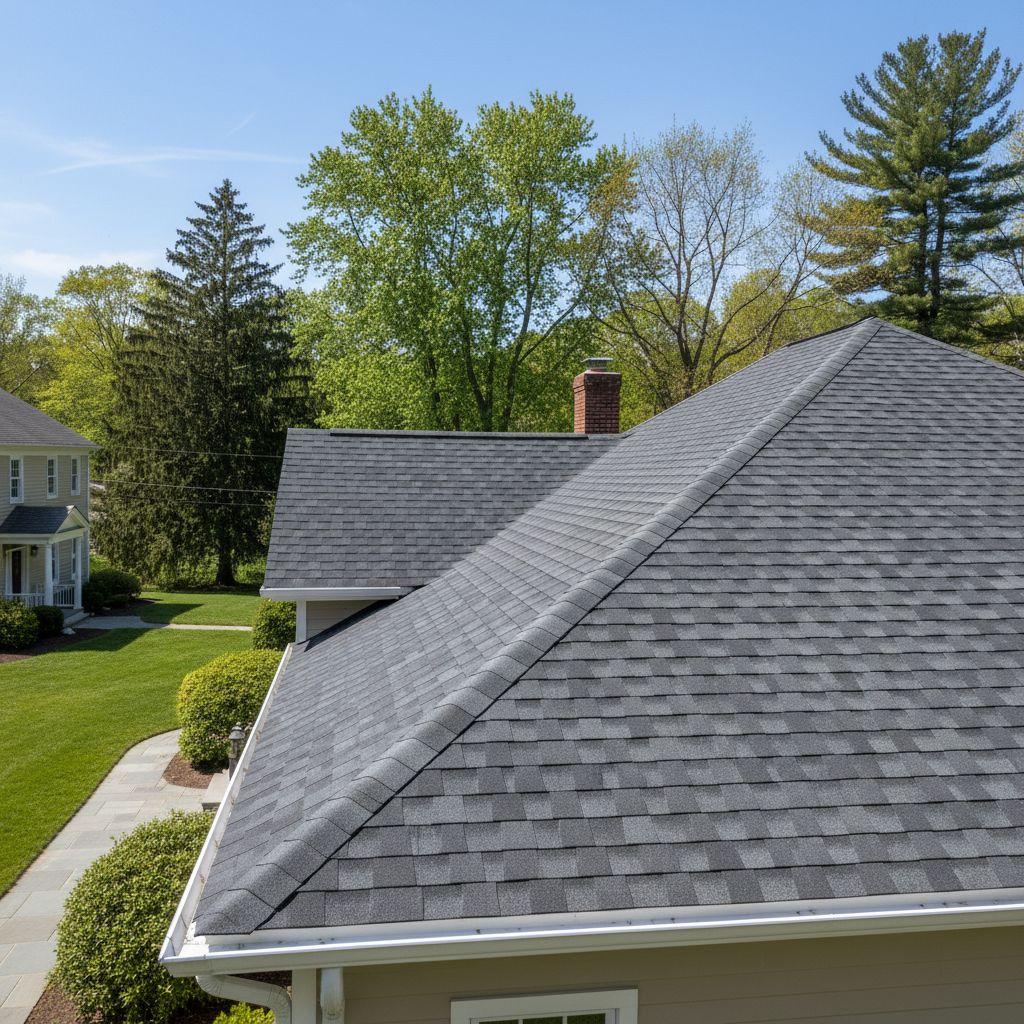
Your Asphalt Shingle Roof: Built to Last, If You Help It
Let's talk about your roof for a minute. You spent good money on it, and you want it to keep your home safe and dry for years, right? Especially here in North Providence, where we get everything from icy winters to humid summers and those crazy nor'easters, your asphalt shingle roof really takes a beating. It's not something you can just put up and forget about. A little regular attention, believe me, can add years to its life and save you a ton of headaches and cash down the road.
I've been up on enough roofs around here — from the older homes near Mineral Spring Avenue to the newer builds off Route 7 — to tell you that consistent maintenance is the real secret to how long they last. It's not rocket science, but it does mean getting up there, or at least looking up there, a couple of times a year.
What Does Regular Maintenance Look Like?
You don't need to be a roofing expert to do some basic checks. Here’s what I tell folks to keep an eye on:
- Clear the Debris: This is a big one. Leaves, pine needles, branches – they all pile up in valleys and gutters. When they just sit there, they hold moisture. That moisture can seep under shingles, cause rot, and even lead to ice dams in winter. Grab a leaf blower or a rake and clear that stuff off, especially after big storms or in the fall.
- Trim Those Trees: Overhanging branches are a problem. They drop debris, sure, but they also rub against shingles, wearing away the protective granules. Plus, a heavy branch can easily fall and damage your roof during a storm. Keep them trimmed back at least 6-8 feet from your roofline.
- Check Your Gutters: Clogged gutters don't just overflow; they back up water onto your roof's edge, leading to fascia and soffit damage, and even rotting the roof decking underneath your shingles. Make sure they're clear and flowing freely.
- Look at Your Vents and Flashing: These are common spots for leaks, wouldn't you know. Check around chimney flashing, skylights, plumbing vents, and any other penetrations. Make sure the sealant isn't cracked or missing, and that the flashing itself isn't bent or corroded.
Do these things twice a year – once in the spring after the snow melts and again in the fall before winter sets in. It's a small investment of your time that really pays off.
Warning Signs You Shouldn't Ignore
Your roof usually gives you clues when something's wrong. You just need to know what to look for:
- Missing or Damaged Shingles: This is an obvious one. If you see shingles gone after a windy day, or if they're cracked, curled, or buckling, that's a red flag. These spots are vulnerable to water intrusion.
- Granule Loss: Look in your gutters. If you see a lot of black, sand-like material, those are the granules from your shingles. They protect your roof from UV rays. Once they're gone, your shingles degrade much faster. Some granule loss is normal with aging, but excessive amounts are a concern.
- Dark Streaks or Moss/Algae Growth: Those black streaks? That's usually algae. While it doesn't immediately damage the roof, it can hold moisture and eventually lead to deterioration. Moss is worse; it lifts shingles and traps moisture, which can cause rot.
- Sagging Areas: If you notice any part of your roofline sagging, that's a serious structural issue. It could mean water damage to the decking or rafters.
- Water Stains Indoors: The clearest sign you have a roof leak is water stains on your ceiling or walls. Don't wait on this; find the source immediately.
When to Call a Professional (Like Superior Roofing Solutions)
Look, I'm all for homeowners doing what they can. But there are times you absolutely need to call in the pros. If you see any of the warning signs I just mentioned, especially missing shingles, significant granule loss, or any signs of a leak inside, don't hesitate. Climbing on a roof can be dangerous, especially if you're not used to it or if the roof is steep or wet. We've got the safety gear, the experience, and the right tools to diagnose and fix problems correctly.
You should also call us for a professional inspection every few years, even if you don't see any obvious problems. We can spot subtle issues before they become major headaches. Things like worn-out flashing you might miss, or small areas of rot that aren't visible from the ground. Catching these things early is always cheaper than waiting for a full-blown emergency. We're here to help North Providence homeowners keep their roofs in top shape, so you can rest easy knowing your home is protected.