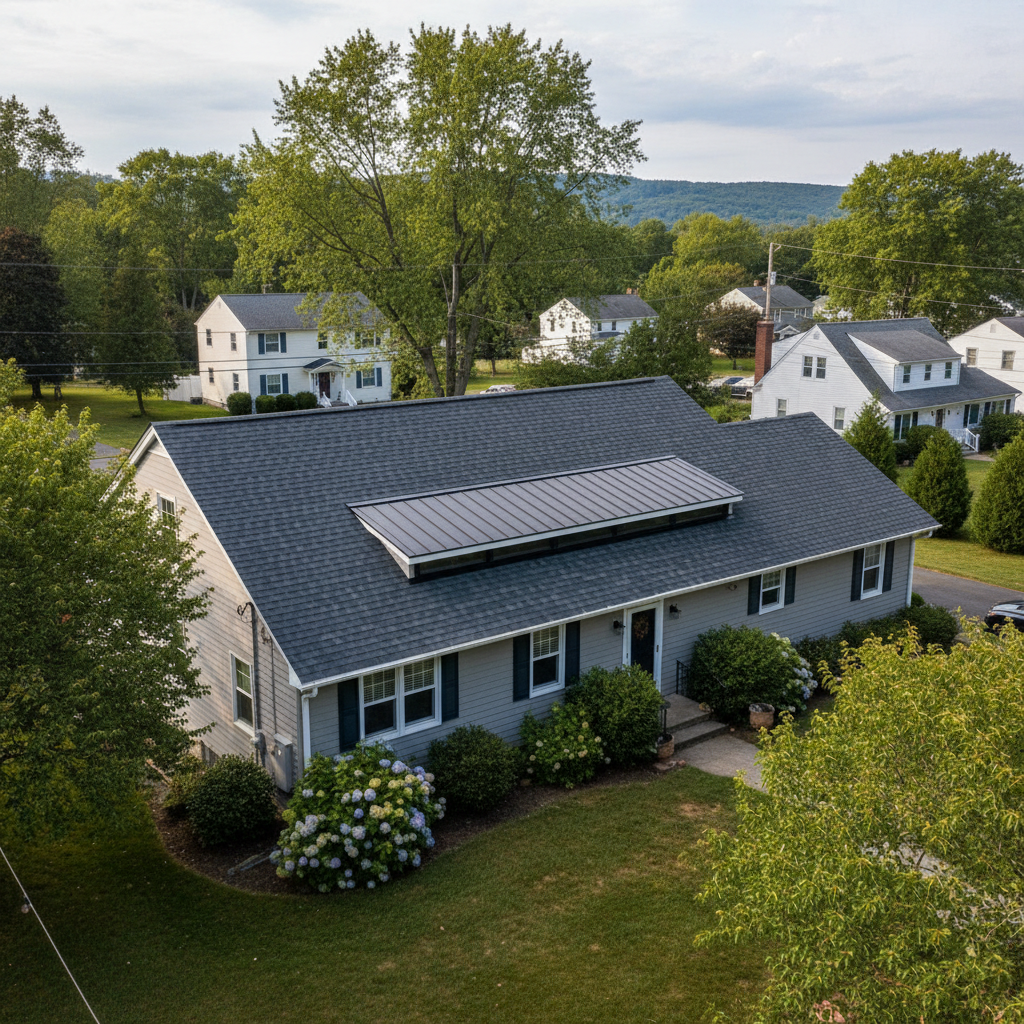
So, a storm just rolled through North Providence and left its mark on your home. Maybe it was a nor'easter that ripped off shingles, or a summer thunderstorm that brought down a tree branch onto your garage. Whatever the damage, you're now looking at repairs, and it can feel pretty overwhelming. I get it. I've been helping folks like you navigate this for years. This isn't just about fixing a roof; it's about getting your home back to normal, safely and efficiently. Let's break down what you need to know.
Your Storm Damage Repair Timeline: What to Expect
When you're dealing with storm damage, time is often of the essence, especially if you've got a leaky roof or compromised siding. Here's a general idea of how things usually play out, though every situation is a little different.
- Immediate Action (First 24-48 hours): Your first priority is safety. If there's a gaping hole in your roof, you need to get it temporarily secured to prevent further water intrusion. This is often called 'tarping.' Most reputable contractors, including us at Superior Roofing Solutions, can help you with emergency tarping. You'll also want to contact your insurance company right away to file a claim. Take lots of photos and videos of the damage before anything is touched.
- Assessment & Estimate (Days 3-7): Once the immediate threat is handled, a professional contractor will come out to do a thorough inspection. They'll assess the full extent of the damage, not just what you can see from the ground. This is where experience really counts, because sometimes what looks minor can hide bigger issues. They'll then provide you with a detailed estimate for the repairs. Your insurance adjuster will also come out around this time to do their own assessment.
- Insurance Approval & Scheduling (Weeks 1-3): This part can sometimes feel like it drags, but it's crucial. Your contractor will work with your insurance company, providing them with the necessary documentation and estimates. Once your claim is approved and funds are released, you can finalize the contract with your chosen contractor and get on their schedule.
- Repair Work (Days to Weeks, depending on scope): The actual repair time varies greatly. A simple roof repair might take a day or two. A full roof replacement or extensive structural work could take a week or more. Good contractors will keep you informed every step of the way.
- Final Inspection & Wrap-up: After the work is done, your contractor should do a final walkthrough with you to ensure everything is to your satisfaction. They'll also handle any final paperwork for your insurance company.
How to Prepare Your Home (and Yourself)
Getting ready for a repair project, especially after a storm, isn't just about clearing a path for the crew. It's also about protecting your belongings and making the process as smooth as possible.
- Clear the Perimeter: If it's a roof job, move anything valuable away from the house. Think patio furniture, grills, planters, kids' toys, even decorative items. We'll need clear access around the entire perimeter.
- Protect Interiors: If there's a chance of dust or debris falling inside, especially with ceiling repairs, cover furniture and electronics with tarps or plastic sheeting.
- Secure Valuables & Breakables: Remove anything fragile from walls or shelves that might be affected by vibrations. This is especially true for roof work.
- Inform Your Neighbors: Give your neighbors a heads-up that there will be noise and activity. It's just good etiquette.
- Plan for Pets and Kids: Construction sites aren't safe places for pets or small children. Arrange for them to be elsewhere or keep them strictly indoors and away from the work area during the day.
- Access to Power: We might need access to an outdoor power outlet. Make sure it's working.
- Be Available: While you don't need to hover, being reachable by phone for questions or decisions can keep the project moving.
What to Ask Before You Sign That Contract
This is a big one. Don't rush into signing with the first person who knocks on your door. You've got to do your homework. Here are the questions I'd ask if I were in your shoes:
- Are you licensed and insured in Rhode Island? This is non-negotiable. Ask for proof of both general liability and workers' compensation insurance. If they can't provide it, walk away. Period.
- Do you specialize in storm damage repair? Not all contractors are created equal. Some excel at new construction, others at repairs. You want someone who understands the intricacies of storm damage and working with insurance.
- Can you provide local references? Ask for contact information for a few recent clients in North Providence or nearby communities like Smithfield or Lincoln. Call them! Ask about their experience, communication, and cleanup.
- What's your warranty? A good contractor stands behind their work. Ask about both material warranties (from the manufacturer) and a labor warranty (from the contractor).
- How do you handle permits? For significant repairs, permits are often required by the town. Your contractor should handle this for you.
- What's your communication plan? Who will be my main point of contact? How often will I get updates? You don't want to be left in the dark.
- What's the payment schedule? Never pay the full amount upfront. A common schedule might be a down payment, progress payments, and a final payment upon completion and your satisfaction.
- Will you help with the insurance claim? A contractor experienced in storm damage will often assist you with the claims process, helping you understand the paperwork and ensuring all damage is accounted for.
- What's your cleanup process? A good crew will leave your property cleaner than they found it. Ask about how they'll handle debris, nails, and other construction waste.
Look, dealing with storm damage is a headache, but it doesn't have to be a nightmare. By understanding the process, preparing your home, and asking the right questions, you can ensure your North Providence home gets the quality repairs it deserves. We're here to help if you need us.